
Avoiding the Techno-Tots Trap of Too Much Screen Time
Having watched Mom do it countless times, a 2-year-old taps on an app on her Mom's cell phone and purposely swipes her finger, again and again, across the scre…
Read more
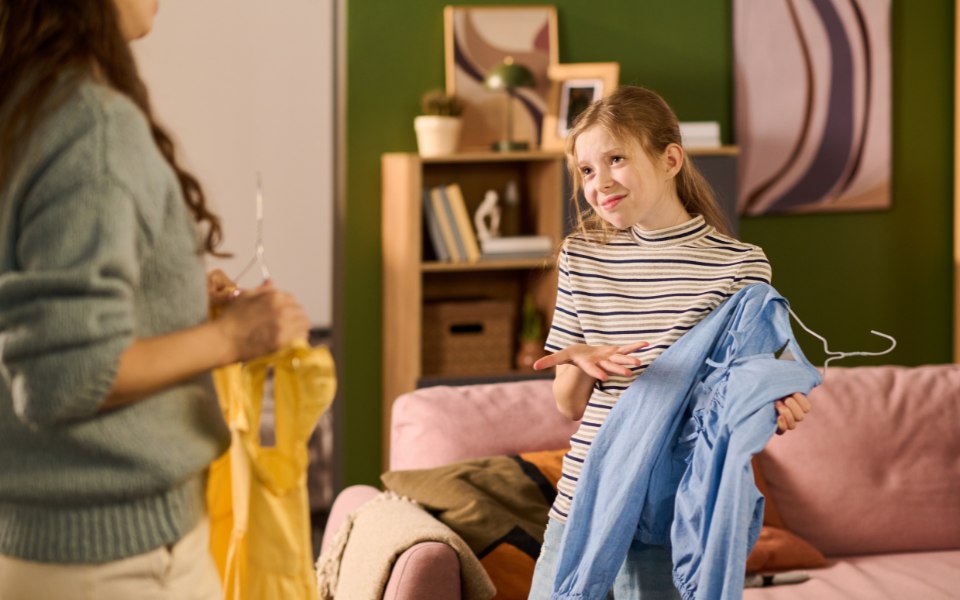
It happens in almost every family. Your child comes home from school convinced they need the latest water bottle, pair of shoes, phone or trendy accessory because "everyone else has one."
As parents, it can be tempting to simply say no and move on. But those moments are about more than the item itself. For many children, the request is really about wanting to feel accepted, included and connected with their peers. Responding with empathy while holding your family's boundaries can help your child build confidence that lasts far beyond the latest trend.
Start by Validating Their Feelings
Before explaining why the answer is no, acknowledge what your child is experiencing. You might say, "I understand why you want that. It's hard when it feels like everyone else has something you don't."
Recognizing your child's emotions doesn't mean you have to change your decision. Instead, it shows them that their feelings matter. Children are often more willing to listen when they feel heard.
Explain Your Decision Without Making It Personal
Once you've acknowledged their feelings, calmly explain your reasoning. Rather than focusing on what other families do, share the values that guide your decisions.
For example, you might explain that your family doesn't buy every new trend, that you're saving money for something more important or that you carefully think through purchases before making them.
Keeping the conversation centered on your family's priorities helps children understand that decisions aren't made to punish them. They're made with intention.
Teach Your Child How to Accept "No"
Learning to hear "no" is an important life skill. That doesn't mean children can't be disappointed or ask respectful questions, but it does mean helping them respond without arguing or negotiating endlessly.
Encourage your child to listen to your answer, avoid interrupting and respond respectfully, even if they're frustrated. If they still have questions or want to talk more after they've had time to process, let them know there's an appropriate time to continue the conversation.
These moments teach emotional regulation and respectful communication, skills they'll use throughout life.
Help Them Work Through Disappointment
Not getting something they want can feel like a big loss, especially if they're worried about fitting in. Instead of trying to immediately fix those feelings, help your child learn how to manage them.
Talk about healthy ways to cope, whether that's spending time with friends, focusing on activities they enjoy or reminding themselves that friendships aren't built on owning the same things.
Children who learn to navigate disappointment develop resilience that serves them well both in school and beyond. Work together to find other ways to feel included. If belonging is what's really driving the request, invite your child into the problem-solving process.
Ask questions like:
Giving children ownership in finding solutions helps them realize they have choices beyond simply buying what's popular.
Remember What They're Really Asking
When your child asks for the latest must-have item, they're often asking something much deeper: "Will I still belong if I don't have what everyone else has?"
Your response can reassure them that their worth isn't determined by what they own. By validating their feelings, setting clear boundaries and helping them build confidence from within, you're teaching lessons that will outlast any trend.
The newest must-have item will eventually be replaced by something else. The confidence your child gains from knowing they are valued for who they are can last a lifetime.