
What to Know Before Getting Your Child a Phone
If you have a child approaching the preteen years, chances
are the question has already come up: “When can I get a phone?”
Read more
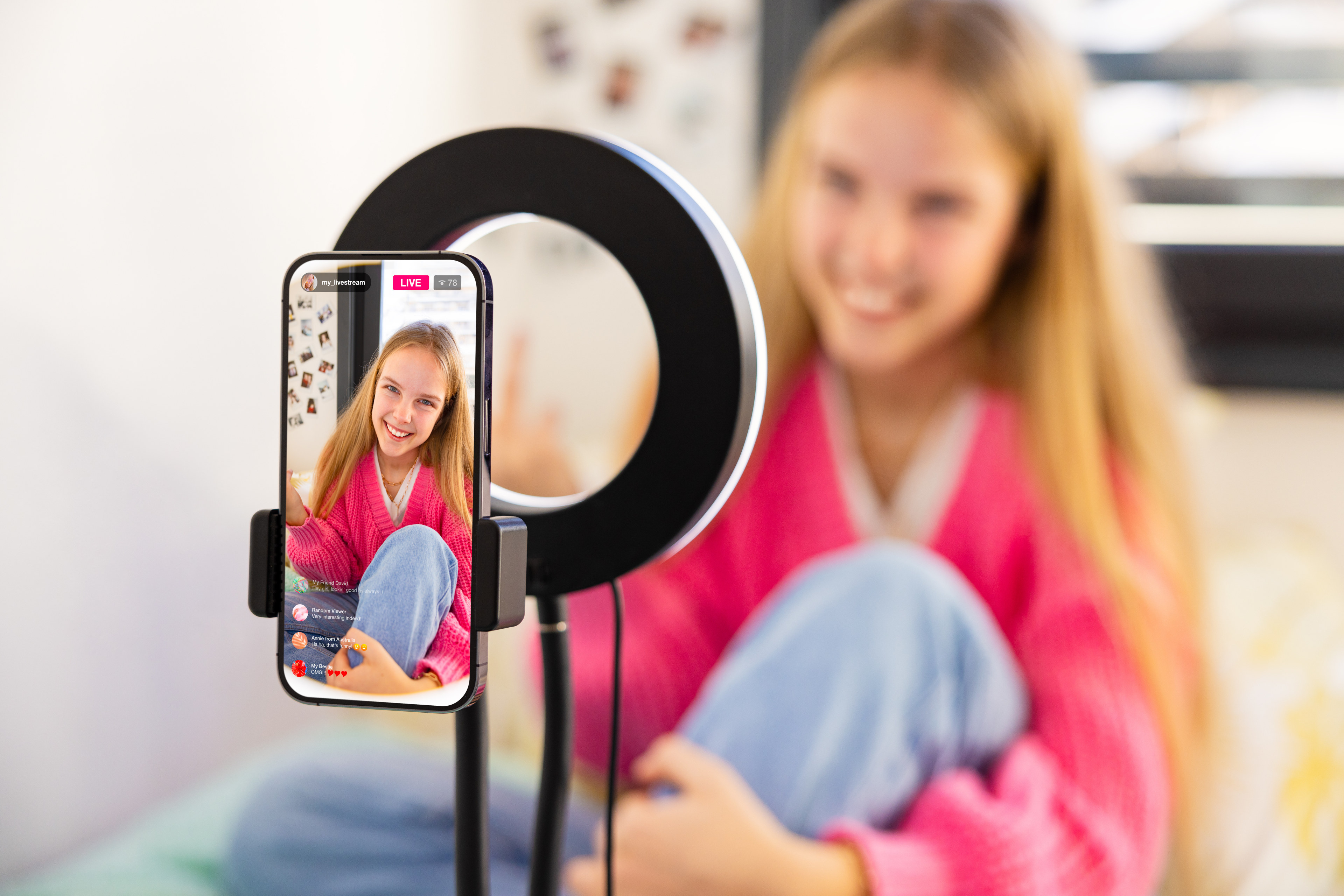
For many parents, hearing their child say, "I want to be an influencer" can raise a lot of questions. Is it just a hobby? Could it become a career? Is it safe? And how much should parents encourage it?
According to Dr. Steve Arcidiacono, psychologist and director of the Boys Town South Florida Behavioral Health Clinic, the answer starts with understanding why children are interested in creating content in the first place. Rather than dismissing the idea or immediately focusing on the risks, parents can use it as an opportunity to have meaningful conversations about creativity, responsibility and healthy online habits.
Why Influencer Culture Appeals to Kids
Influencer culture has become a major part of the digital world. Through platforms like YouTube, TikTok and Instagram, content creators share their interests, experiences and expertise with audiences that often feel personally connected to them.
For many young people, influencers aren't much different from the celebrities previous generations looked up to. The difference is that today's influencers often feel more relatable and accessible. Children may watch the same creator every day, follow their recommendations and feel like they know them personally.
That connection can make becoming an influencer seem like an exciting goal. However, for most kids, the interest isn't necessarily about fame. More often, it's about wanting to share something they enjoy.
A child who loves gaming may want to teach others how to improve. A young artist might want to showcase their work. Another child may enjoy storytelling, video editing or making people laugh. Creating content often reflects a child's existing interests and talents.
Respond With Curiosity, Not Panic
When a child says they want to be an influencer, parents don't need to panic.
Children have always imagined careers based on the things they enjoy. Just as one child might dream of becoming a professional athlete because they love sports, another may aspire to create content because they spend time engaging with online creators.
Instead of immediately listing reasons it may not work out, try asking questions such as:
Questions like these help parents understand what is actually driving the interest. In many cases, children are drawn to specific aspects of content creation, such as teaching, storytelling, editing or connecting with others who share similar interests.
This approach allows parents to support their child's passions while also helping them understand the realities of building an online audience.
Talk Honestly About Online Safety
If a child wants to post content online, safety and privacy should be part of the conversation from the very beginning.
Children don't always recognize how easily personal information can be shared online. Something as simple as mentioning a school, wearing a team jersey or showing a recognizable location can reveal more information than intended.
Parents should discuss topics such as:
Another important lesson is helping children understand that online content can create a lasting digital footprint. Even if a post is deleted later, screenshots and recordings may continue to exist.
Remember: What Kids See Online Isn't Always Reality
One of the biggest challenges for parents today is helping children understand that social media often shows carefully selected highlights rather than everyday reality.
Whether it's a viral challenge, an elaborate stunt or a seemingly perfect lifestyle, viewers are usually seeing only the final product.
What they don't see may include:
Helping children think critically about what they watch can prevent unrealistic expectations and unhealthy comparisons. Encourage them to ask questions about how content is created and what may have happened behind the scenes before the camera started rolling.
The Problem With Chasing Likes and Followers
Social media metrics can easily become tied to self-worth, especially for children and teens.
Likes, views, comments and follower count provide immediate feedback, making it tempting to measure success based on numbers alone. The problem is that those numbers are largely outside a child's control.
One post may perform extremely well, while another receives little attention despite requiring much more effort. That inconsistency can be frustrating even for experienced content creators.
Parents can help by encouraging children to focus on what they can control:
When children focus on their values and goals rather than external validation, they tend to develop healthier self-esteem and greater resilience.
Watch for Warning Signs
The amount of time a child spends online isn't always the best indicator of a problem. Instead, parents should look at whether social media is beginning to interfere with important parts of daily life.
Potential warning signs include:
When social media starts affecting sleep, relationships, school performance or overall well-being, it may be time to reassess boundaries and expectations.
Focus on Balance and Priorities
The goal isn't necessarily to eliminate social media or content creation. Instead, help your child learn how to enjoy those interests while making room for the things that keep them healthy, connected and successful. If they're getting enough sleep, staying engaged at school and spending quality time with family and friends, content creation can be a positive part of a well-rounded life rather than becoming their whole identity.
Raising Responsible Digital Citizens
A child's interest in becoming an influencer can open the door to important conversations about responsibility, privacy, and how they present themselves online. By staying engaged and making these discussions part of everyday life, you can help your child approach social media thoughtfully while pursuing their interests in a healthy way.
For more guidance on supporting a child who wants to be an influencer, watch this interview with Dr. Steve Arcidiacono.