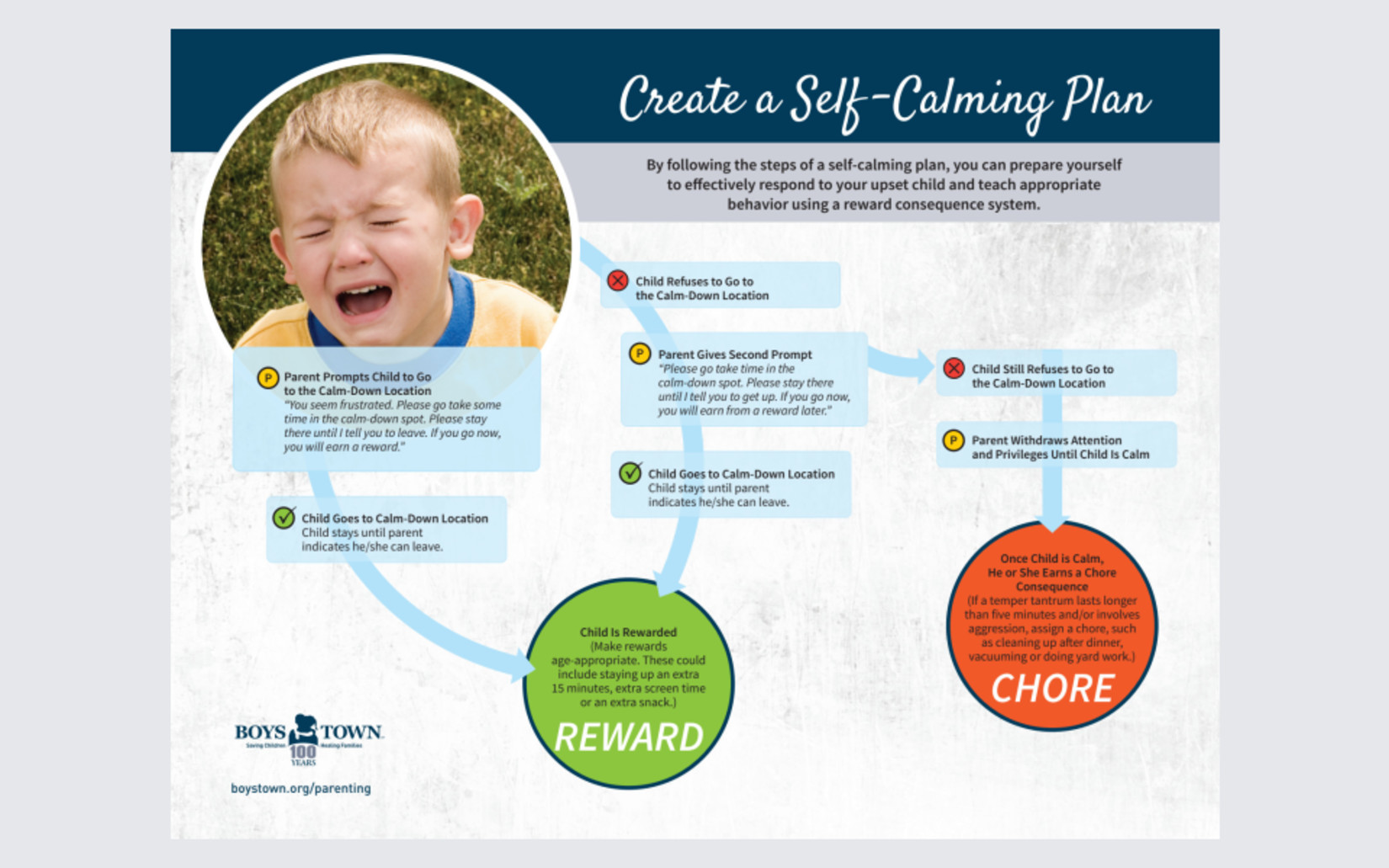
Calm-Down Tool
Learn effective strategies to help your child manage their emotions with the Calm-Down Tool. This resource offers a structured approach using rewards and consequences to teach self-calming techniques.
Read more

Grand Theft Auto VI has quickly become one of the most talked-about video games in the world, capturing the attention of players across generations. But for many parents, its popularity raises important questions: What exactly is GTA 6? Why are kids so eager to play it?
To help answer those questions, Steve Arcidiacono, Ph.D., Director of the Boys Town South Florida Behavioral Health Clinic, shares what parents should know before letting their kids play GTA 6.
Part of GTA 6's appeal is the freedom it gives players. Unlike many games that follow a set path, players can explore a massive virtual world, complete missions and make choices that influence how they experience the game. Along the way, they can visit different locations, interact with a wide range of characters, and build relationships.
What Parents Need to Know About the Content
GTA 6 is rated Mature (M), meaning it was created for players 17 and older. While many children may be interested in the game, it's important for parents to understand that it's designed with an adult audience in mind.
The game contains graphic violence, strong language, criminal activity, drug and alcohol use, sexual content and other mature themes. Although the title may suggest a game focused primarily on driving, those elements are only a small part of a much larger experience. Taking time to understand what's in the game can help you decide whether those themes are appropriate for your child.
Before deciding whether GTA 6 is right for your family, it can be helpful to understand why your child wants to play it in the first place.
For many teens, the appeal goes beyond the game's content. GTA 6 has become a major topic of conversation among friends, on social media and across the gaming community. Some kids are drawn to the game's open-world environment, while others simply want to be part of an experience that many of their peers are already talking about and playing.
Taking time to ask questions and listen to your child's perspective can provide valuable insight into what's driving their interest. Understanding their motivation can help create a more productive conversation and give you the context needed to make a decision that feels right for your family.
Looking Beyond the Game Itself
While much of the conversation around GTA 6 centers on its mature content, parents should also consider what happens beyond the game's storyline. Online features can expose players to strangers, inappropriate language, cyberbullying and scams, making online interactions just as important to evaluate as the game's content itself.
There can also be costs beyond the initial purchase. From subscriptions to in-game purchases, the total investment can grow over time. Understanding these realities before your child starts playing can help prevent surprises and set realistic expectations for both online activity and spending.
Video games are a normal part of childhood for many kids and teens, and enjoying them doesn't automatically signal a problem. What matters most is whether gaming is beginning to crowd out the other things that are important to your child's well-being.
Some signs that it may be time to check in include:
These changes don't necessarily mean gaming is the cause, but they can be a signal to take a closer look. If you notice several of these warning signs appearing at the same time, it may be worth having a conversation about balance and whether gaming is beginning to take priority over other parts of your child's life.
Set Expectations Before Problems Arise
By the time a disagreement over screen time happens, emotions are often already running high. Setting expectations early can make those conversations much easier and give children a better understanding of what's expected of them.
Creating a Family Media Policy together can help establish boundaries around gaming, technology use and other household expectations while ensuring everyone has a voice in the discussion.
Still weighing whether GTA 6 is a good fit for your child? Watch the full interview with Steve Arcidiacono, Ph.D., for a deeper discussion on the game's content, why it's attracting so much attention and the factors parents should consider before making a decision.